12 Red Flags of a GPT Site Scam: How to Spot a Bad Platform Before You Sign Up
FreeCash
 VERIFIED 2026
Quick answer
Most GPT site scams follow predictable patterns. The specific platform names change, the branding gets refreshed, but the underlying mechanics stay the same. Fake GPT platforms promise generous earnings, collect your personal data, and disappear before paying out — or worse, they keep operating while banning users right before they hit the withdrawal threshold.
The FTC has documented this pattern extensively in its warnings about task-based scams. One of the most consistent red flags: "Never pay anyone to get paid" — if a platform requires an upfront fee, a subscription, or a deposit to unlock earnings, it is a scam. But there are more subtle warning signs that are harder to spot, especially when a platform looks legitimate on the surface. This guide covers 12 red flags, ranked by how quickly they should end your interest in a platform.
1. No Verifiable Company Address or Legal Identity
Legitimate GPT sites are operated by real companies with real addresses. Freecash is operated by Almedia GmbH in Germany. Swagbucks is owned by Prodege LLC in the United States. Toluna was founded in Paris and has offices across Europe. You can find their corporate registration, tax identification, and physical address through public records.
Scam platforms typically hide their ownership. The WHOIS record for their domain is protected, the "About" page has no physical address, and the terms of service reference a jurisdiction where consumer protection is weak. If you cannot find the company name, registration number, and physical address within 10 minutes of searching, that is a red flag.
The UK's National Cyber Security Centre warns that "unsolicited offers that seem too good to be true" and "vague job or company descriptions" are common signals of fraudulent operations. The same logic applies to GPT sites: if you cannot verify who is behind the platform, you cannot trust it with your time or your data.
2. A Domain That Is Newer Than 6 Months
Domain age is one of the most reliable signals of a scam. Legitimate GPT platforms have been operating for years — Swagbucks states it has operated since 2008, Freecash since 2019, and Toluna since 2000. A domain registered three months ago cannot have the track record of paying thousands of users over multiple years.
You can check domain age for free using WHOIS lookup tools or services like ScamAdviser. If the domain was registered within the last six months and the platform is already promising large payouts, treat it with extreme caution. ScamAdviser's own reports consistently flag recently registered domains as high-risk, noting that "this website has only been registered recently" is a common indicator of phishing or fraud.
There is one exception: a legitimate platform launching a new brand or a spin-off may have a newer domain. But in that case, the platform should be transparent about its parent company and the team behind it. If the domain is new and the ownership is hidden, the combination is damning.
3. Payouts Only in Obscure Gift Cards
Every legitimate GPT platform offers at least one mainstream payout method: PayPal, SEPA transfer, direct bank transfer, or well-known gift cards like Amazon, Google Play, or Netflix. If a platform only pays out in gift cards for obscure retailers, or in a "rewards currency" that can only be spent inside the platform's own store, that is a red flag.
The FTC has documented a related pattern in task-based scams: platforms that require you to pay to unlock work levels, then pay only in in-app currency that cannot be withdrawn. The gift card equivalent is a platform that pays only in vouchers for its own merchandise or for a partner site that does not actually exist.
4. An Upfront Fee to Join or Unlock Withdrawals
This is the single most reliable red flag, and the FTC has repeated it in every warning about task-based scams: "Never pay anyone to get paid". A legitimate GPT platform makes money from the advertisers and researchers who post offers and surveys. The platform takes a commission, and the user is paid from the advertiser's budget.
If a GPT site asks for a "verification fee," a "membership upgrade" to unlock higher payouts, a "deposit" to activate your account, or a subscription to access better offers, it is a scam. There is no legitimate reason for a GPT platform to charge users. The FTC's warning is blunt: "If you are required to pay money to get a job, it is not a job but a scam".
Some platforms offer optional premium subscriptions (for example, a VIP tier that pays higher rates). That is different from requiring a payment to access the platform at all. The key distinction: can you earn and withdraw without paying anything? If the answer is no, it is a scam.
5. Withdrawal Thresholds That Are Impossibly High
Every GPT platform has a minimum withdrawal threshold. According to Freecash's published payout terms, the minimum withdrawal starts at $5 for PayPal and $0.10 for crypto. Scrambly advertises a $1 minimum withdrawal. Swagbucks' minimum gift card redemption typically starts around $5. Toluna's PayPal threshold is approximately €30, according to its published terms — higher, but still achievable within a few weeks of consistent use.
A scam platform sets the threshold at a level you will never reach, or changes the threshold after you have accumulated a balance. Red flags include: a threshold that is significantly higher than the industry average (e.g., $100 for a PayPal withdrawal), a threshold that increases over time, or a threshold that differs between the marketing page and the actual withdrawal screen.
One Trustpilot reviewer described a platform that showed a "PENDING" status on a withdrawal, then made the points "straight up disappear" without any response from customer service. Another user reported being banned immediately after requesting a withdrawal that they had spent weeks earning. The pattern is consistent: the platform makes it easy to earn but impossible to cash out.
6. Account Bans Right Before You Hit the Withdrawal Threshold
This is the most insidious scam pattern in the GPT space. The platform lets you earn, accumulate a balance, and then bans your account the moment you request a withdrawal. The balance is forfeited, and support stops responding.
This pattern is difficult to detect in advance because the platform looks functional until you try to withdraw. The best defense is to withdraw frequently and early. Do not accumulate a large balance on a platform you have not tested. Make your first withdrawal as soon as you hit the minimum threshold. If it goes through, you can build confidence. If it does not, you have lost only a small amount of time.
7. No Verifiable Reviews Outside the Platform's Own Website
Legitimate platforms have a presence on Trustpilot, Reddit, and independent review sites. They have thousands of reviews, and the reviews include both positive and negative experiences. A scam platform typically has one of three patterns:
- Only 5-star reviews on the platform's own website. Testimonials on the platform's homepage are not independent reviews. They can be fabricated or selectively curated.
- A Trustpilot page with a small number of reviews, all posted within a short time window. This is a sign of coordinated fake reviews.
- No independent reviews at all. If you cannot find any discussion of the platform outside its own marketing, that is a red flag.
Legitimate platforms like Freecash have accumulated more than 270,000 Trustpilot reviews according to its Trustpilot page. Swagbucks has been reviewed extensively across Reddit and YouTube. If a platform has fewer than 100 independent reviews and launched more than a year ago, that is unusual.
8. Support That Disappears After You Sign Up
Before you sign up, the platform's support team is responsive and helpful. After you sign up — and especially after you have a problem with a withdrawal — the support disappears. Emails go unanswered, the live chat is offline, and the only response is a generic automated message.
This is a common pattern in scam platforms. They invest in marketing and onboarding, but not in support. A legitimate platform has a support team that responds within a reasonable timeframe. Freecash has a live chat and email support. Swagbucks has a help centre with ticket tracking. Even if the support is slow, it exists and responds.
Before signing up, test the support channel. Send a pre-sales question and see how long it takes to get a response. If there is no response, or if the only contact method is a Gmail address (not a professional domain), that is a red flag. One Trustpilot reviewer noted that a platform's "customer service" was a "yahoo email account" — a clear sign of an unprofessional operation.
9. Promises of Unrealistic Earnings
Legitimate platforms are honest about what you can earn. Freecash's own marketing materials acknowledge that earnings are modest. Prolific's homepage explains that studies are not always available. Swagbucks does not promise you will get rich.
Scam platforms promise the opposite: "$50 per day guaranteed," "$500 per week working from home," or "earn a full-time income in your spare time." These promises are mathematically implausible given the economics of the GPT industry. Surveys pay $0.50 to $5 each. Offers pay $1 to $50 depending on complexity. Even the highest-paying platforms like Prolific are reported to average $22 to $35 per hour, and study availability is limited.
The FTC's warning about task-based scams specifically calls out "promises of high earnings for little effort or without requiring qualifications". If the earnings claim sounds too good to be true, it is.
10. Requests for Sensitive Personal Data Before You Can Withdraw
Some personal data collection is unavoidable. GPT platforms need to know your country of residence, your age, and your demographic profile to match you with relevant surveys. KYC verification before a withdrawal is standard practice on regulated platforms.
But scam platforms go further. They ask for your bank account details, your Social Security number, your passport scan, or your credit card information before you have earned anything. Legitimate platforms ask for these details only when you request a withdrawal, and only as required by financial regulations.
The KnowBe4 Threat Labs has documented a massive phishing campaign that harvests "high-value Personally Identifiable Information (PII) and financial data" through fake survey links, noting that "legitimate corporations will never ask for credit card information via a third-party survey link to pay for a free reward". The same principle applies to GPT sites: no legitimate platform needs your credit card details.
11. A Website That Looks Unprofessional or Contains Errors
This red flag is less definitive than the others, but it is still worth noting. Scam platforms often have amateur-looking websites: spelling errors, broken English, mismatched fonts, low-quality images, and navigation that does not work properly. The website may use a free template or a page builder that looks nothing like a professional product.
Some newer legitimate platforms also have imperfect websites, so this is not a definitive signal on its own. But combined with other red flags — a new domain, hidden ownership, no independent reviews — an unprofessional website is a strong indicator that the platform is not legitimate.
The Australian consumer site Lifehacker notes that fake survey scams often originate from "malvertising (malicious advertising) like website pop-ups and banners" and that users should "look carefully at the URL, which is almost certainly not the retailer's official domain". If the website looks like it was built in a weekend, it probably was.
12. Pressure to Act Quickly or Miss Out
Scam platforms create urgency. "Your balance will expire in 24 hours," "Only 3 slots left at this payout rate," "Withdraw now before the offer ends." This is a classic pressure tactic designed to prevent you from doing research or thinking critically.
Legitimate platforms do not need to create false urgency. Your balance does not expire in 24 hours (though some platforms have expiration policies measured in months or years, which is different). The offer rates may change, but they do not disappear if you take a day to think about it.
ScamAdviser's analysis of fake reward platforms consistently identifies "urgent language like only a few left" as a red flag, along with "the reward amount is unusually high" and "no official verification from the brand". If the platform is pushing you to act fast, that is a sign it does not want you to investigate.
How to Verify a GPT Site Before You Sign Up
Here is a practical checklist you can run through in 15 minutes before investing time in any GPT platform.
| Step | What to Check | Green Flag | Red Flag |
|---|---|---|---|
| Domain age | WHOIS lookup or ScamAdviser | Older than 2 years | Newer than 6 months |
| Company identity | About page, Terms of Service | Named company with physical address | No verifiable ownership |
| Independent reviews | Trustpilot, Reddit, review sites | Thousands of reviews, mix of positive and negative | Few reviews, all 5-star, or none at all |
| Payout methods | Withdrawal page or FAQ | PayPal, SEPA, bank transfer, mainstream gift cards | Only obscure gift cards or in-app currency |
| Withdrawal threshold | FAQ or help centre | Comparable to industry average ($1–$30) | Significantly higher, or changes after signup |
| Upfront fees | Signup process | Free to join | Any payment required to access earnings |
| Support | Pre-sales question | Professional email domain, response within 48 hours | No response, or Gmail/Yahoo address only |
If a platform fails on any of the critical steps — no verifiable ownership, no cash payout method, or an upfront fee — do not sign up. If it fails on secondary steps — a newer domain, fewer reviews — proceed with caution and withdraw early.
Frequently Asked Questions
How can I tell if a GPT site is a scam?
The most reliable indicators are: no verifiable company address, a domain registered within the last six months, payouts only in obscure gift cards, an upfront fee, and account bans immediately after withdrawal requests. If a platform fails on any of these, treat it as a scam.
Are GPT sites with low Trustpilot ratings always scams?
No. A low Trustpilot rating can reflect legitimate complaints about slow support or high withdrawal thresholds, not necessarily fraud. GrabPoints has a 1.5/5 Trustpilot rating in Canada but is a legitimate platform that pays — the complaints are about the effort-to-reward ratio. The distinction is between "bad platform" and "scam platform."
What should I do if I think I've been scammed by a GPT site?
Stop using the platform immediately. If you provided payment details, contact your bank or payment provider to dispute the charges. Report the platform to your local consumer protection authority (Verbraucherzentrale in Germany, Signal Conso in France, BBB or FTC in the US, ACCC in Australia). Document everything: screenshots of your balance, withdrawal requests, and support conversations.
Can a GPT site be legitimate if it has no physical address?
No. Every legitimate company has a registered address. It may not be prominently displayed on the homepage, but it should be findable in the terms of service, the WHOIS record, or corporate registration databases. If you cannot find any physical address after a thorough search, that is a red flag.
Why do GPT sites ban accounts right before withdrawal?
In scam platforms, the ban is intentional. The platform lets you earn to build engagement and trust, then prevents the payout when you request it. In legitimate platforms, an account ban is usually triggered by a specific violation — VPN usage, multiple accounts, or suspected fraud — and the user has an appeals process.
What are the safest GPT sites in 2026?
The platforms with the longest track records and most transparent operations are Freecash, Swagbucks, Prolific, and Toluna. Each has been operating for years, has verifiable corporate ownership, and pays through mainstream methods. No platform is completely risk-free, but these have the strongest track records.
Should I use a VPN while checking a new GPT site?
No. VPN usage is prohibited on most legitimate GPT platforms and can trigger account flags even if you are only exploring. If you want to protect your privacy while researching a platform, use a browser in incognito mode without a VPN, and do not log in until you have verified the platform's legitimacy.
Bottom Line
Most GPT site scams follow predictable patterns. The platform looks legitimate on the surface — a professional website, generous earnings promises, and a signup process that takes two minutes.
The single most reliable rule, repeated by the FTC in every warning about task-based scams, is this: never pay to get paid. If a platform requires any upfront payment to access your earnings, it is a scam. The second most reliable rule is to withdraw early and frequently. Do not accumulate a balance on a platform you have not tested. Make your first withdrawal as soon as you hit the threshold, and only build confidence after that money lands in your account.
Legitimate GPT platforms exist. Freecash, Swagbucks, Prolific, and Toluna have paid millions of users over years of operation. The challenge is separating them from the platforms that copy their branding, promise the same earnings, and disappear before paying out. The 12 red flags in this guide are your filter. Use them before you invest your time.
Get the Ultimate GPT Insider Guide🚀
Learn how survey disqualifications work and proven ways to qualify for more studies. 100% Free.
LootHub.org
Recommended posts
Continue with these related reward guides.
 VERIFIED 2026
GPT Site Account Banned? Causes, Appeals and How to Recover Your Balance
 VERIFIED 2026
Best GPT Sites in Austria & Switzerland 2026: Guide for English Speakers & Expats
 VERIFIED 2026
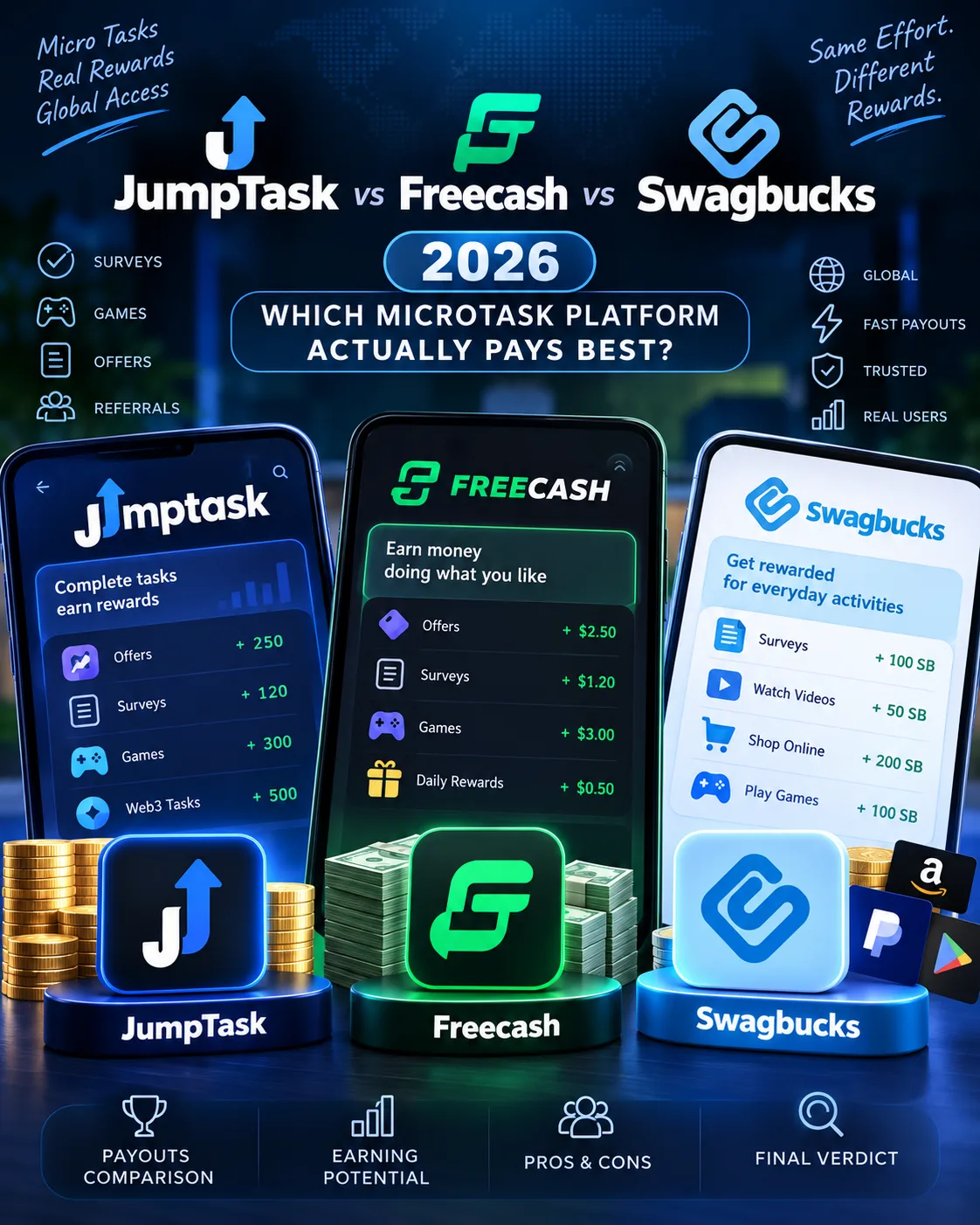
JumpTask vs Freecash vs Swagbucks 2026: Which Microtask Platform Actually Pays Best?
 VERIFIED 2026
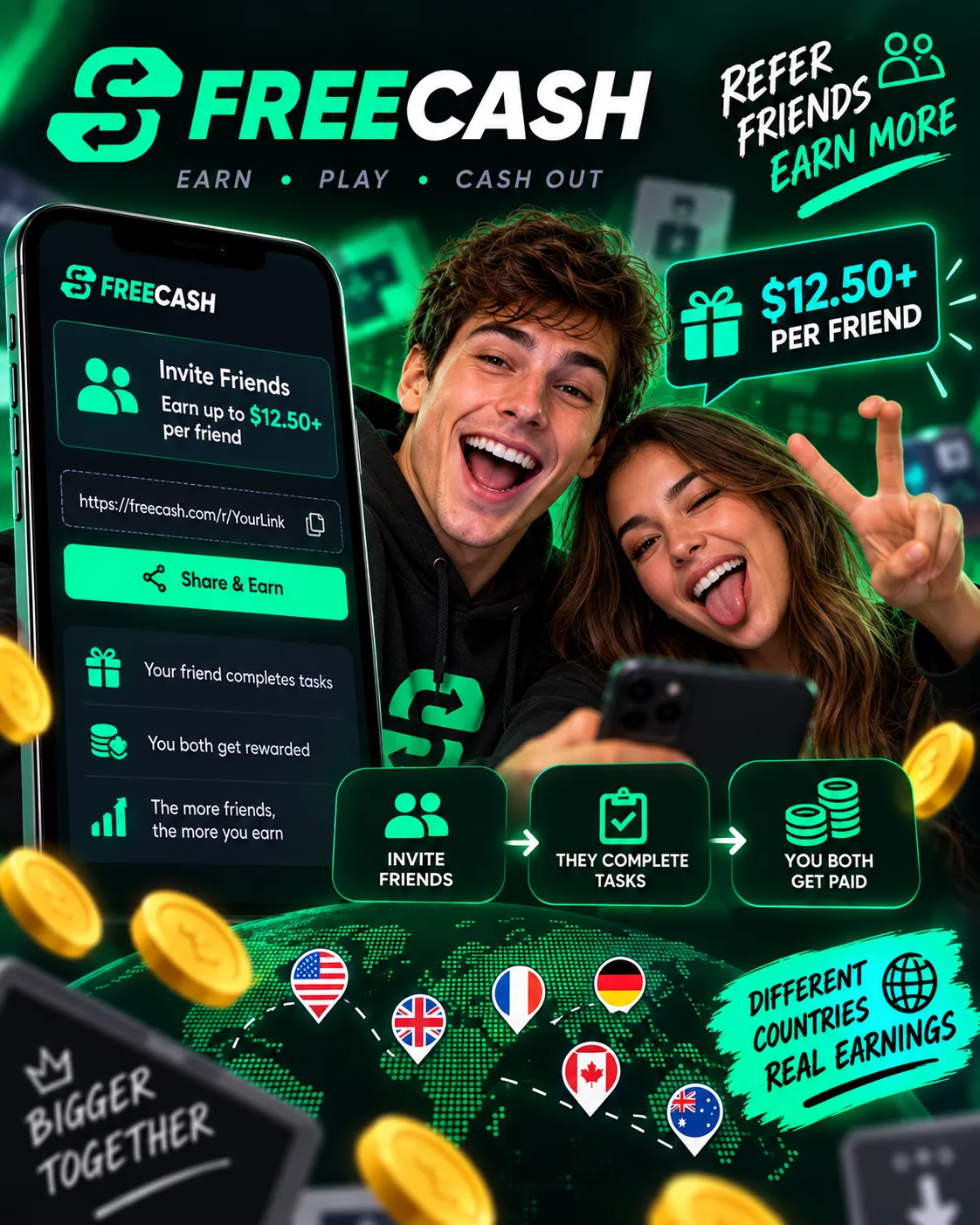
Freecash Referral Program: How to Earn $12.50+ Per Friend (2026 Country Breakdown)
 VERIFIED 2026
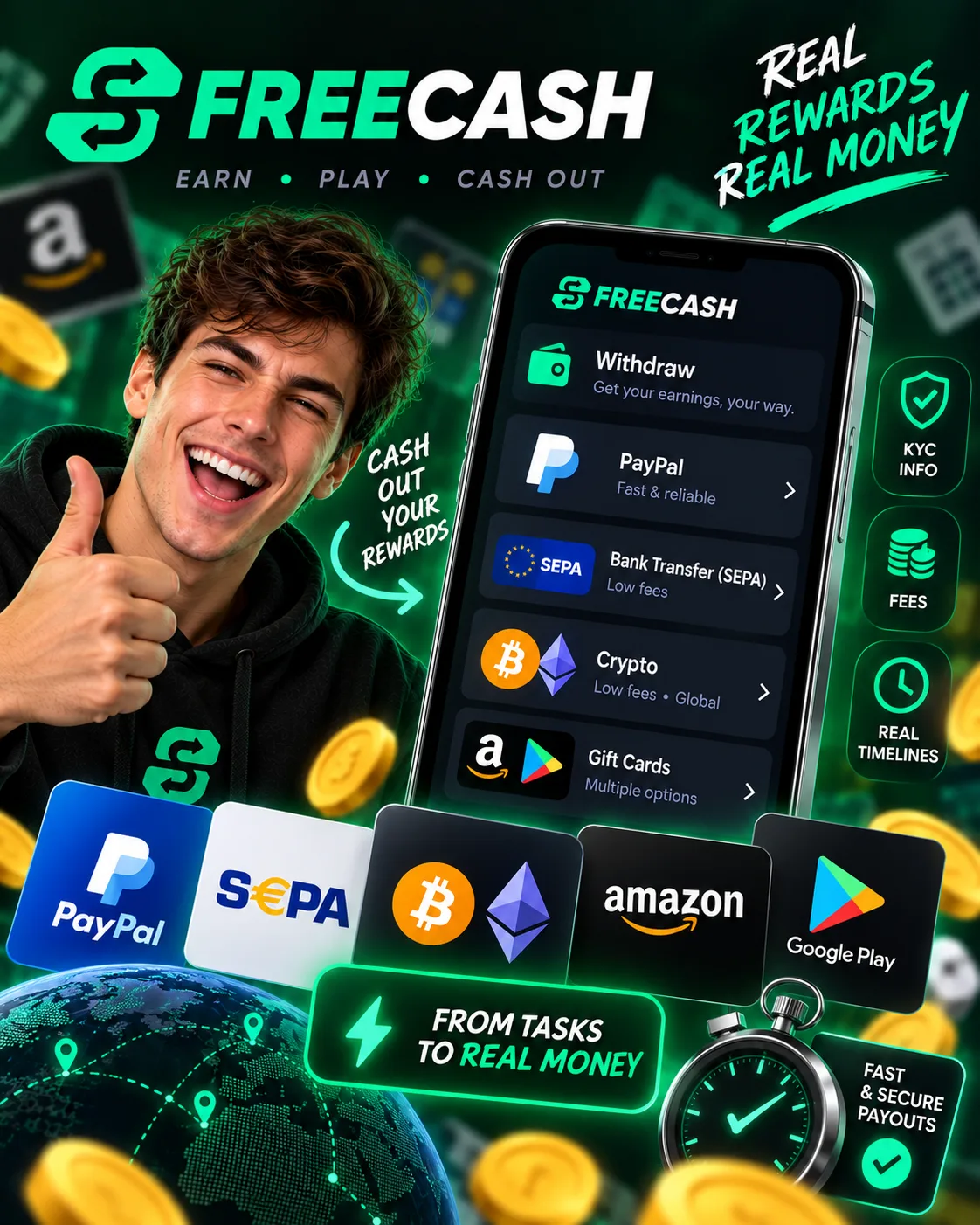
Freecash Withdrawal Guide 2026: PayPal, SEPA, Crypto — Fees, KYC & Real Timelines
 VERIFIED 2026